Biscuit Law and the Quiet Exit: Green Room Lessons for Backstage Newcomers
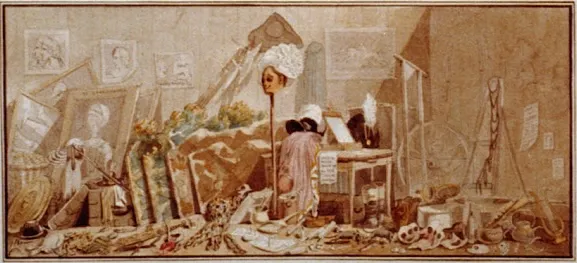
Photo: Benjamin Henry Boneval Latrobe (May 1, 1764 – September 3, 1820), Public domain, via Wikimedia Commons
There is no plaque on the green room door. There is usually a noticeboard, a kettle, a sofa with a dent shaped like a stage manager and a smell that can only be described as warm carpet and ambition. For a newcomer, it can feel like walking into someone else’s living room while they are all mid-argument about a prop sword. The good news is that the rules are mostly learnable. The better news is that most of them are about being considerate.
Rule one: the kettle is a shared instrument
If you are new, make a round. Not because you are junior, but because it is the fastest way to learn names and who takes their tea strong enough to strip paint. Ask before you drain the kettle. Never leave it empty. If you finish the milk, say so. If you hide the last of the milk in the fridge, say a small prayer, because someone will find it and they will know.
Rule two: learn the biscuit hierarchy
Bring a packet on your first day. Nothing extravagant. A packet of Custard Creams is a peace offering; a box of posh biscuits is a statement. Do not take the last one without offering it around first. Do not raid a tin with a name on it. And if you are lucky enough to be in a company where someone brings in homemade flapjack, treat that person like royalty. They are holding the room together.
Rule three: hands off the prop table
Props are not toys. They are not souvenirs. They are not there for you to balance on your head while you wait for notes. A prop table is a small, sacred piece of stage management’s brain made visible. If you see something on the floor, do not kick it out of the way. Tell someone. If a quick-change costume is hanging on a rail, give it space. The person coming off stage has about eleven seconds to get out of one look and into another. Do not be the person standing in the corridor asking if they have seen your phone.
Rule four: gossip has a perimeter
Green rooms are not private. They feel private because they are warm and full of half-finished conversations, but they are still workplaces. What is said in the green room stays in the green room, unless it is a safeguarding issue or a fire. Do not repeat a story you heard while someone was eating a sandwich. Do not screenshot a group chat. Do not offer your opinion on a casting decision unless you are asked, and even then, consider pretending you were not.
Rule five: phones down, ears up
Take calls outside. Keep your screen brightness low. Do not film the room. Do not take a photo of the call sheet and post it because the view is nice. Half the job backstage is noticing things before they become problems, and you cannot do that with your face in your phone. Also, nobody wants to hear your notifications during a quiet moment in the wings. Put it on silent. Proper silent.
Rule six: know when to leave
This is the rule that separates the lovely newcomer from the one everyone hides from behind the kettle. After notes, after the debrief, after the last cup of tea, go home. Do not linger because you are hoping to be invited to the pub. Do not hover by the door while the company manager is trying to lock up. Read the room. If the lights are going off, that is your cue. The quiet exit is a gift.
Rule seven: be useful without rearranging the furniture
Pick up a cup. Wipe the counter. Put the milk back. But do not reorganise the noticeboard, move the schedule or decide that the green room would look better with the sofa at a different angle. There is a difference between helping and taking over. Learn it early.
The final rule: be kind, be curious, be gone
The green room is where the show breathes out. It is where people complain, joke, warm up, cool down and eat a biscuit standing up because there is no time to sit. You do not need to be the funniest person in the room. You do not need to know everything. You just need to be someone people are glad to see when they come off stage. Bring biscuits. Mind the prop table. Leave when the lights go off. That is most of it.