The Building Breathes Out: Four Hours Between Saturday Shows

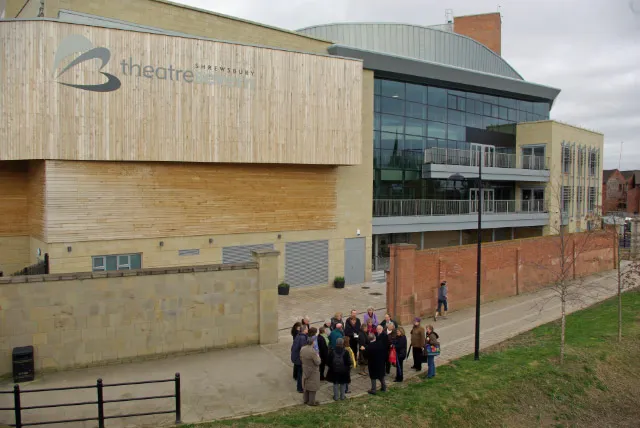
There is a particular silence in a theatre just after a Saturday matinee. Not proper silence — the building is still full of noise — but the odd, suspended quiet of a place that has just said goodbye to one audience and is not yet ready to welcome another. On a damp Saturday this November, I spent the afternoon and early evening at a regional UK theatre to watch that gap up close. The final curtain went down at roughly 4.05pm. The evening audience would be in their seats by 7.30pm. In between sat a four-hour turnaround that most ticket-holders never see.
The first ten minutes belong to the clipboard
At the stage door, the company manager is already holding a clipboard and a radio, which is the backstage equivalent of holding a map and a mug of tea. Dressing-room keys go back on hooks. A courier arrives with a box of programmes. Someone from the matinee is trying to find a lost cardigan, and someone else is asking whether the evening’s signed poster can be left at the door for a friend. The answers are calm and rapid. Yes. No. Try the front-of-house desk. Give me ten minutes.
The stage door is where the two halves of the day briefly overlap. Performers drift out in coats and trainers, some heading for a walk, some for a nap, some for the nearest café. Others stay in the building. The deputy stage manager is already running through the show file, checking whether any props need replacing and whether the pre-set for act one has been disturbed by the matinee. It has. It always has.
The stage is swept, marked and put back
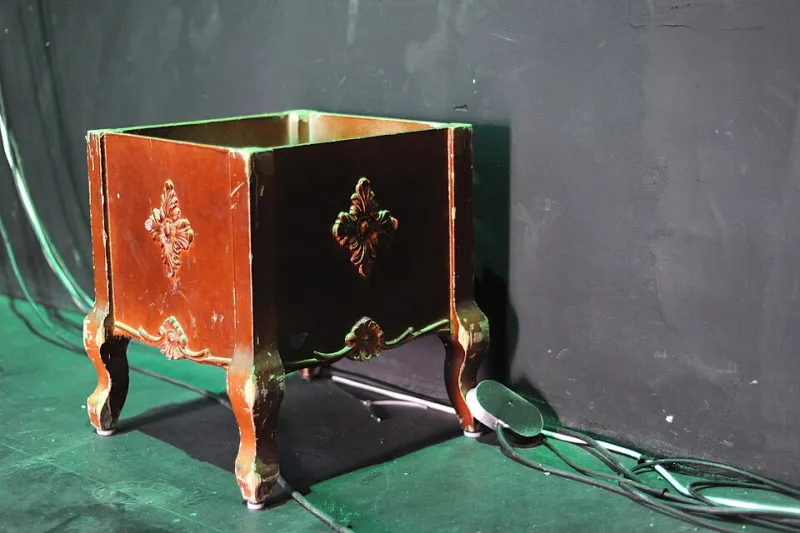
On stage, the crew are not simply tidying. They are resetting a small, precise world. Tape marks are checked. A chair that travelled two inches during the matinee is put back. A prop table is lined up again: letters, keys, a tray, a pair of glasses that must be in exactly the right position before the half-hour call. Someone is mopping a patch of floor near the wing where the matinee’s quick change left a faint shine. Someone else is testing a door that has developed a mind of its own.
The work is physical, but it is also mental. A Saturday matinee can leave the building feeling slightly scuffed, like a room after a party. The evening show needs the same room to feel untouched. That illusion is the job.
Wardrobe is a laundry with nerves
Upstairs, wardrobe is running its own small production line. Costumes from the matinee are checked, steamed, dried, repaired or swapped. A shirt has lost a button. A hem has given up. Two pairs of tights have gone to the place where all theatrical tights eventually go. The dressers are calm, but there is a rhythm to it: sort, inspect, hang, label, repeat.
What strikes me is how much of the turnaround is about anticipating the next show rather than fixing the last one. The matinee’s sweat and spills are dealt with quickly, but the real focus is on the evening’s quick changes. A costume that looked fine from the audience can be a collection of hidden problems under the lights. Wardrobe staff know where the Velcro is tired, which sleeve needs an extra popper and which actor will need a glass of water and a firm word at the side of the stage.
Front of house starts again from zero
Out in the foyer, the matinee crowd has thinned to a last few people finishing their drinks. Front-of-house staff are clearing glasses, restocking programmes and checking the accessibility arrangements for the evening. The ice cream tubs are counted. The card machine is tested. A spill near the bar is dealt with before it becomes a story. Volunteers and ushers compare notes about a wobbly seat, a lost coat and the family who need to be shown to the step-free entrance.
To the audience, the foyer looks empty. To the staff, it is a list of small tasks with a deadline attached. The building has to look as if nobody has been in it, even though several hundred people very much have.
The cleaners are the quiet hinge
The cleaning team move through the auditorium while the stage is still being reset. Bins are emptied. Sticky patches are dealt with. Toilets are checked and rechecked. A programme left on a seat is collected; a water bottle under a row is fished out. It is not glamorous work, and it is not meant to be noticed. But without it, the evening audience would walk into the matinee’s leftovers.
I think about how often the word “theatre” conjures images of actors and spotlights. The turnaround reminds you that a theatre is also a building with floors, pipes, bins, glassware and a finite number of chairs. Someone has to make those chairs ready twice in one day.
The five o’clock sandwich
By half past five, the building has a different hunger. Crew members queue for the microwave. A dresser eats a meal deal standing up. Two front-of-house staff share a bag of chips near the back door. Someone has brought a flask of tea, which is treated with the reverence it deserves. The break is short, but it matters. Saturday is a long day, and the evening show does not care whether you have had a proper sit-down.
In the green room, a few performers stretch, run lines or stare at their phones. One is asleep in a chair with a hood up. Another is laughing about something that happened in the matinee. The mood is not frantic. It is practised. This is a rhythm they know.
The half-hour call changes the temperature
At 7pm, the half-hour call goes out, and the building tightens. Dressing rooms fill. The stage manager’s voice on the radio becomes more clipped. Front of house opens the doors. The foyer fills with coats and chatter. Upstairs, wardrobe does a final check. Downstairs, the crew stand by. The matinee feels like a distant rumour.
What I take away from the afternoon is not the glamour of the second show, but the relay behind it. A Saturday turnaround is a chain of small, unglamorous acts of care: a swept stage, a steamed shirt, a replaced button, a cleaned toilet, a checked ticket, a sandwich eaten too quickly. None of it appears in the programme. All of it is part of the performance.
The curtain call belongs to the actors. The four hours before it belong to everyone else — and the building, for a little while, breathes out.