Side Hustles, Show Weeks and the Art of Keeping Going: Five UK Creatives Speak

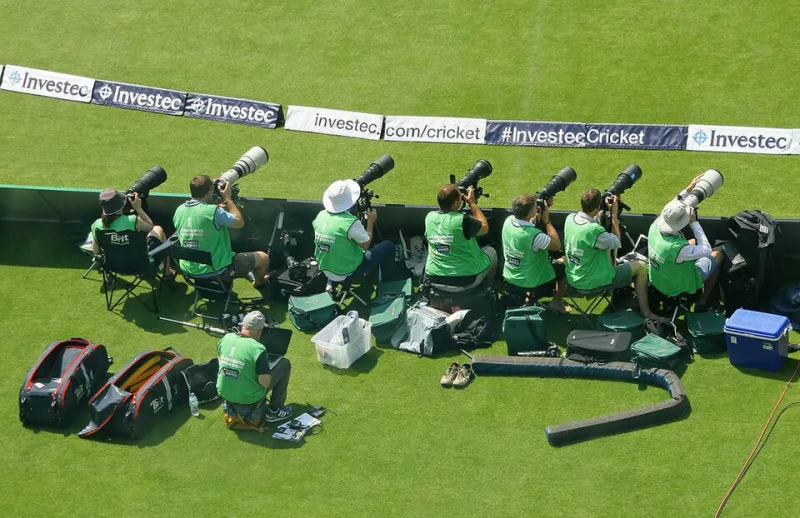
Photo: Basher Eyre , CC BY-SA 2.0, via Wikimedia Commons
The phrase 'day job' can sound like an apology. In UK theatre, it is often the opposite. It is the thing that pays the rent, buys the train tickets and keeps the rehearsal room warm. But balancing a side hustle with stage work is a skill in itself, and everyone finds their own way through it.
We spoke to five creatives about the work they do when they are not in a rehearsal room, a wardrobe or a sound box. Their answers are practical, honest and occasionally very funny. Names have been changed, but the details are real.
1. Priya, 34, Leeds: Illustrator and Assistant Stage Manager
Priya works as an assistant stage manager on touring productions and runs a freelance illustration business from her spare room. She takes on editorial commissions, book covers and the occasional wedding invitation. The illustration work is flexible, which is why it fits around show weeks.
'I book shifts around tech weeks, not the other way round,' she says. 'If I know I'm going into a venue, I block out the whole week. No commissions, no emails, no drawing. I learned that the hard way. I used to think I could do both, and then I'd be up at 1am finishing a poster for a client while trying to remember where I put the fake blood.'
Priya protects her creative energy by separating the two worlds. She has a work phone and a personal phone. She does not answer client emails during rehearsal. She also has a rule: no drawing on show days. 'It sounds strict, but it keeps me sane. The show gets my best brain. The illustration gets the rest.'
When does a day job become a trap? For Priya, it is when the side hustle starts to feel like the main event. 'If I'm turning down stage work because I'm too busy illustrating, that's a warning sign. I want the balance to lean towards theatre. The illustration is there to support it, not replace it.'
2. Callum, 29, Manchester: Actor and Bar Supervisor
Callum works behind the bar at a busy Manchester venue. He has done hospitality for seven years, on and off, and he is quick to defend it. 'People think bar work is unskilled or whatever. It's not. It's audience care. You learn to read a room, manage expectations and deal with someone who has had too much. That's half of acting.'
He schedules his shifts around auditions and show weeks. His manager knows he is an actor and is flexible, within reason. 'I don't take the piss. If I'm in a show, I give them plenty of notice. I also don't pretend I'm available when I'm not. That's the deal.'
The hardest part is the energy. 'A late bar shift and a morning audition do not mix. I've done it, and I was terrible. Now I protect the day before an audition. No shifts. No late nights. I'd rather lose the money than lose the chance.'
Callum's advice for other creatives is simple: find a day job that understands the industry. 'It doesn't have to be theatre-adjacent. It just has to be run by someone who doesn't make you feel guilty for having a life outside work.'
3. Zara, 41, Bristol: Costume Maker and Dog Walker
Zara makes costumes for regional theatres and walks dogs three mornings a week. The dog walking started as a favour for a friend and turned into a reliable income stream. 'It gets me outside. It gets me moving. And the dogs don't care about my stitching.'
She fits the walks around her making schedule. On show weeks, she reduces her dog clients to two regulars. On quiet weeks, she takes on more. 'The flexibility is the point. I can say yes or no. That's not true of a lot of day jobs.'
The dog walking also gives her thinking time. 'I solve a lot of costume problems while walking. You're not staring at the fabric. You're just moving. The answer comes.'
Zara has a clear boundary: she does not take on dog walks that clash with tech week. 'Tech week is sacred. I need to be in the building. If a client can't handle that, they're not the right client.'
4. Tom, 26, Cardiff: Sound Designer and Cycle Courier
Tom designs sound for small-scale theatre and works as a cycle courier in Cardiff. He likes the physicality of the courier work. 'It's the opposite of sitting in a dark studio. I'm outside, I'm moving, I'm getting paid. Then I go home and edit. It works.'
He uses a shared calendar to map out his week. Show weeks are blocked out completely. 'I don't courier during a get-in or a tech. I need to be available. The courier company knows that. I told them from the start.'
Tom has a warning for anyone considering a side hustle: watch out for the slow creep. 'It's easy to say yes to one more shift. Then one more. Then you're cancelling a rehearsal because you're tired. That's when it becomes a trap. The day job should fit around the theatre, not the other way round.'
5. Ellie, 38, Norwich: Theatre Director and Private Tutor
Ellie directs fringe and mid-scale shows and tutors English and drama privately. The tutoring pays well and is predictable, which helps her plan her year. 'I know how much I need to earn each month. I know how many hours that is. Then I can say yes to the projects I actually want to do.'
She tutors online, mostly in the evenings. 'It's not glamorous, but it's flexible. I can do it from a hotel room if I'm on tour. I can do it on a Sunday. It fits.'
Ellie's rule is that the day job must never compromise the creative work. 'If I'm turning down a directing job because I've overbooked tutoring, that's a problem. I've done it once, and I resented it. Now I keep a buffer.'
She also believes that the side hustle can feed the creative work. 'Tutoring keeps me sharp. I'm talking about text, character, intention. That's the same stuff I do in a rehearsal room. It's not a distraction. It's part of the craft.'
The common thread across all five is not a magic formula. It is boundaries, communication and a willingness to adjust. The side hustle is not a failure. It is a tool. And like any tool, it works best when you know what it is for.