The Frame Leaves Out the Receipt: A 2026 Headshot Budget for UK Performers
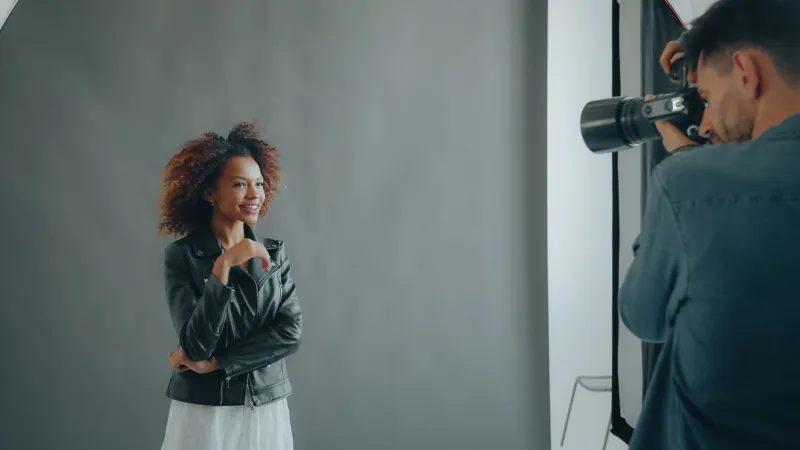
The invoice for a headshot session rarely lands as a single number. It arrives in pieces: the photographer's fee, the studio hire, the retoucher's hourly rate, the train ticket to a studio two cities away, the shirt you bought because the one in your wardrobe read 'middling office' on camera. In 2026, a UK performer can spend £150 and feel underprepared, or £700 and still wonder whether the final image looks like them. The finished photograph — cropped square, bright-eyed, quietly confident — never shows any of that.
The Quote Is Not the Cost
A straightforward session with a good UK photographer often sits somewhere between £250 and £600 in 2026, depending on city, experience and what is bundled in. London tends to push higher; Manchester, Bristol, Glasgow and Cardiff can offer excellent work for less, though travel and time off work quietly add to the total. Some photographers include two looks and three retouched images. Others charge per frame after the first handful. Makeup artists, if you use one, are usually separate. So is printing, though most casting now happens on screen.
VAT matters too. If a photographer is VAT-registered, the headline quote may not be the final figure. Ask. A £400 session can become £480 without anyone trying to trick you. The same goes for retouching: a light polish is not the same as a full digital rebuild, and the price should say which you are buying.
What you are really paying for is not just a photograph. It is a casting tool. A Spotlight profile image, a casting platform thumbnail, a self-tape introduction — they all ask the same question in a fraction of a second: does this person look like someone we need to see? That is a strange job for a picture of your face.
What the Frame Leaves Out
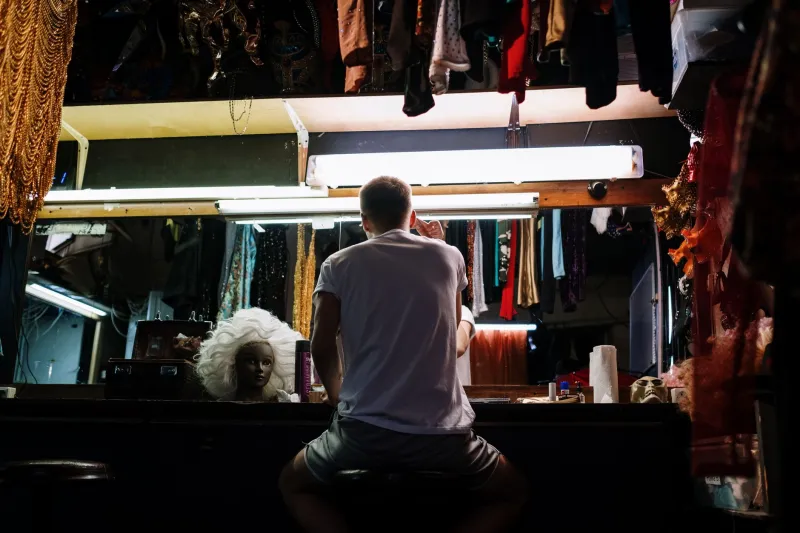
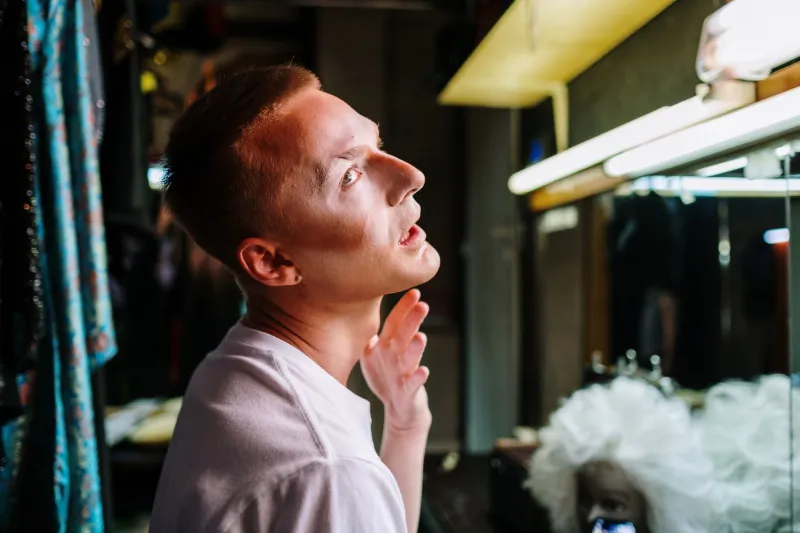
The emotional labour is rarely budgeted for. You sit in front of a screen with three hundred frames and try to choose between 'friendly' and 'serious', between 'approachable' and 'specific'. You wonder whether the version of you that looks employable is the same version that feels like you. You notice the lines, the asymmetry, the thing your friend says is characterful and your inner critic calls a flaw.
Then there is the pressure to look 'castable', a word that means everything and nothing. In practice, casting directors are often scanning for honesty, currency and specificity. They want to see what they might plausibly get in the room. A photo that is five years and two haircuts old is not a neutral placeholder; it is a small liability. A photo that has been retouched into smooth sameness is another kind of liability. The frame should not erase the face that has to walk into the audition.
The Castable Trap
The trap is thinking the best headshot is the most polished one. It is usually the clearest one. Clear about age range. Clear about personality. Clear about the kind of work you are actually right for. That does not mean you cannot look good. It means the photograph should still answer to your name.
This is where retouching needs a firm hand. Ask the retoucher to keep skin texture, keep the gap in your teeth if it is part of your face, keep the asymmetry that makes you recognisable. A good retoucher will understand. A less careful one may deliver a version of you that belongs on a different person's profile.
A Budget That Keeps Your Face
Start with a total figure, not a photographer's fee. Include travel, wardrobe, makeup if you want it, a haircut if the timing is right, and a contingency line for a reshoot. Then ask what is included in writing. How many looks? How many retouched images? How long can you use them? Can you use them on Spotlight, your website, social media and casting platforms? Can the photographer use them in their portfolio? Those are usage rights, and they should be agreed before you stand in front of the light.
A simple email is enough: 'Can you confirm the licence covers Spotlight, casting platforms and my own website for 24 months?' If a photographer will not put usage in writing, that is your answer. It does not make them a villain. It makes them the wrong fit for a professional booking.
Keep receipts. Keep the contract. Keep the unretouched proofs if they are offered, because they can be useful if a retoucher goes too far. And budget for the possibility that the first session does not give you the image you need. It happens. The second session is not a failure; it is part of the cost of getting it right.
Paperwork Before Pout
None of this is glamorous. It is the backstage part of the headshot, the bit that happens before the camera clicks and after the gallery link arrives. But it matters. A performer who understands usage rights, retouching limits and the difference between a flattering image and a useful one is not being difficult. They are being a professional.
The photo on the screen is a door. It should open. It should not be a debt, and it should not be a mask. In 2026, the smartest headshot budget is the one that pays for clarity — and leaves enough room for your own face to survive the edit.