The Small Box With the Long Shadow: What a Theatre Programme Bio Is Really Doing

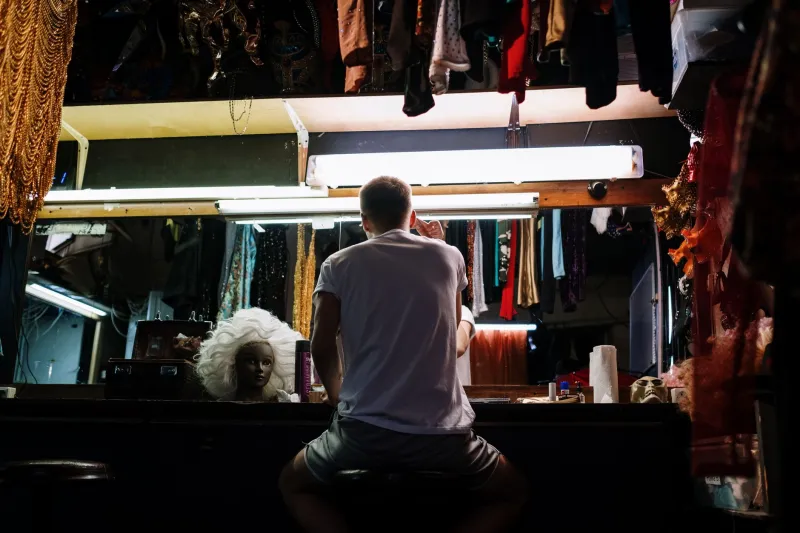
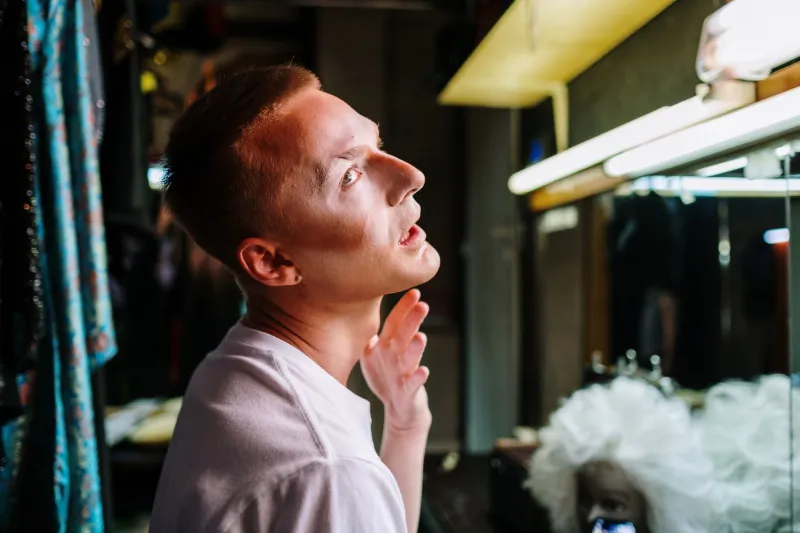
Photo by Photo by Shane Monarc on Unsplash on Unsplash
At a regional theatre in the Midlands last month, I watched a woman in the row in front read the programme from cover to cover before the lights went down. She lingered on the cast biographies. Not the synopsis, not the director's note. The little boxes with headshots and 40 words. It is a familiar sight. And it is a useful reminder: for most performers, the programme bio is the most-read piece of writing they will ever produce.
It is also, very often, the least considered. Written at 11pm after a tech, edited by a press officer with a deadline, cut from 100 words to 40 because the designer needed space. The result is frequently a CV in a trench coat: trained here, credits there, grateful to everyone. It does the job. It just does not do much else.
The box that does the heavy lifting
Theatre programmes come in different shapes. A subsidised regional house might give you 100 words. A fringe venue might give you 30. A panto programme might give you a headshot and a paragraph that has been recycled since 2019. The format matters less than the function. The bio is not a record of your career. It is a handshake. It is the moment a stranger in row F decides whether to lean forward when you next walk on stage.
That sounds grand. It is not. A good bio simply gives the reader a way in. It says: here is who this person is, here is what they do, here is one detail that might make you remember them. A bad bio says: here is a list of things I have done, arranged in order of prestige, with no clue as to why any of it matters.
What the bio is actually for
Most actors are taught to write bios as if they were writing a CV. Training first, then credits, then thanks. That is a sensible order for a Spotlight profile. It is a dull order for a programme. The reader is not casting you. They are trying to enjoy their evening. They want a sentence with a pulse.
Compare these two. 'Jane is a graduate of the Royal Conservatoire of Scotland. Her credits include...' Fine. Accurate. Forgettable. 'Jane is an actor and musician who has spent the last five years making gig theatre in pubs, church halls and one memorable car park in Dundee.' Better. Same person, probably. But now you can see her.
The difference is not embellishment. It is selection. A bio is an argument about what matters. If you choose only the most impressive credits, you are arguing that prestige is your story. If you choose the through-line — the kind of work you keep returning to, the thing you are curious about — you are arguing that you have a point of view. Readers respond to point of view.
Three people, three approaches
A West End ensemble member I spoke to keeps a note on her phone called 'bio bits'. Every time she finishes a job, she adds one sentence: a director she loved, a skill she learned, a moment that made her laugh. When a bio request lands, she assembles rather than invents. 'It stops me writing thrilled to be joining at midnight,' she says.
A fringe producer takes the opposite approach. She writes her bio last, after the press release and the running order, then asks a friend to cut 20 words. 'The first draft is always about what I am proud of,' she says. 'The second draft is about what the audience needs.'
A panto Dame in his thirties has a rule: the bio should sound like you after two drinks, not like your LinkedIn profile. 'Warm, a bit funny, not trying too hard,' he says. 'If it reads like a job application, I have gone wrong.'
The clichés that will not die
We all know them. 'Passionate.' 'Versatile.' 'Thrilled.' 'Delighted.' 'No stranger to.' 'Fresh.' 'Dynamic.' None of these words are crimes. But they are doing very little. They describe everyone, which means they describe no one. Replace them with verbs. 'Plays. Directs. Teaches. Writes.' Replace them with specifics. 'Works in new writing and cramped pub theatres.' Replace them with a single odd detail. 'Once played a tree in a promenade production of The Tempest and has been chasing that energy ever since.'
There is also the tense problem. Bios are written in the present tense, which means they age badly. 'Currently appearing in...' is true for six weeks. 'Recent credits include...' is safer. Date your bio. Keep a master document with the date at the top. Update it after every contract, not just when a deadline forces you.
A rewrite you can do tonight
Take your current bio. Delete the first sentence. It is almost certainly a warm-up. Delete every adjective you would not say out loud. Delete the list of thanks unless the programme specifically asks for them. Now read what is left. Is there a person in there? If not, add one true thing that is not a credit. A place you grew up. A skill outside theatre. A question you keep asking in your work.
Then write three versions: 25 words, 50 words, 100 words. The short one is for fringe programmes and Instagram. The long one is for regional theatres and press. The middle one is for everything else. Read each aloud. If you stumble, cut. If you sound like someone else, start again.
The quiet ambush
Bios can ambush you in small ways. An old version resurfaces in a school newsletter. A producer reads a joke you wrote in 2018 and takes it literally. A credit you listed as 'forthcoming' is now three years old. Keep an archive. Know what is out there. It is not vanity; it is housekeeping.
But the ambush can be good, too. A bio can launch a conversation. A programmer reads a line about your work and emails. A fellow actor recognises a shared obsession. A stranger in row F remembers your name. That is the quiet power of the small box. It is not the whole story. It is the invitation to the story.
Next time you are in a theatre, read the bios properly. Notice which ones make you look up. Then go home and rewrite yours. The programme will end up in a recycling bin by the weekend. The impression might last a little longer.